
Because launching the cork into the fruit bowl and showering the guests isn’t exactly the elegant moment you had in mind.
Opening a bottle of Champagne or sparkling wine should feel exciting — not nerve-wracking. And while the dramatic pop has its place, the real hallmark of skill is the quiet, controlled release: that soft pssshh that says you know what you’re doing.
If you’ve watched the video, you’ve already seen the steps. This guide goes a little deeper — giving you the confidence to open any bottle gracefully, avoid the dreaded spray, and look composed while doing it.
In this blog, you'll learn:
- the exact, repeatable method for opening sparkling wine safely
- how to handle the pressure so it works with you (not against you)
- when a celebratory pop is the right move — and when to avoid it
- common pitfalls and simple fixes
- pouring tips that protect bubbles and elevate the experience
Why technique matters 🍾
Sparkling wine is under serious pressure (about 4-5 times atmosphere) — the kind that can fire a cork like a mini cannon if you’re not prepared.
Opening it correctly means:
- no spills
- fewer wasted bubbles
- safer service
- and a smoother, more impressive pour
It also shows respect for the wine — the same care the winemaker put in when fermenting it.
The step-by-step method (you’ll use this for life)
1. Chill the bottle
Aim for 6–10°C.
Colder wine is calmer. Warm wine gets excitable — fast.
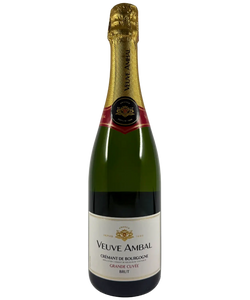
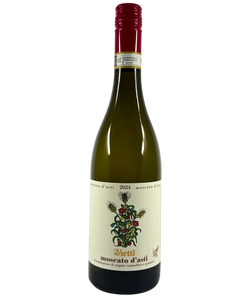
Add one more to the collection?🍷

2. Strip the foil
Clean, simple, and out of the way. Nothing fancy here.
3. Loosen the cage — don’t remove it
Thumb on the cork.
Six half-turns is the rule.
Keep the cage in place for control.
It’s your safety belt and handle in one.
4. Tilt to 45°
Point away from people, breakables, and anything you don’t want Champagne baptised.
This angle reduces the internal pressure on the cork.
5. Hold the cork still & twist the bottle
This is the key moment.
You guide the cork; the bottle does the work.
Slow, steady, confident.
6. Aim for a soft sigh
The ideal sound is a gentle pssshh — effortless and controlled.
7. Pour with care
Inside of the glass, low and slow.
Let the foam settle.
Top up.
Simple steps. Big difference.
Pop vs whisper — choosing the moment 🎉
The pop
There are occasions where spectacle wins:
- midnight countdowns
- engagements
- milestone birthdays
It’s dramatic. It’s fun. And sometimes it’s the moment people remember.
The whisper
The gold standard for:
- dinner parties
- restaurants
- aged or expensive bottles
- quiet celebrations
It preserves bubbles, protects the room, and feels… refined.
The trick is knowing the difference.
Common mistakes you can now avoid
- removing the cage entirely (no thank you)
- twisting the cork instead of the bottle
- opening at room temperature
- pointing at guests or lights
- gripping the cork loosely
- rushing the process
If the cork is stubborn, patience — not force — is your ally.
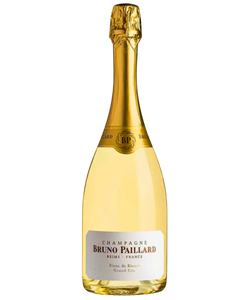
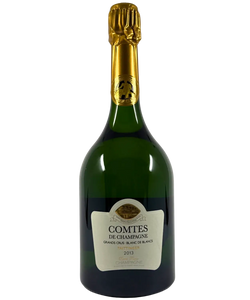
Add one more to the collection?🍷
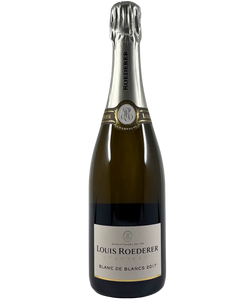
Serving like you mean it 🍷
Opening is only half the experience.
Your pour influences:
- aroma
- texture
- carbonation
Pour down the side of the glass and avoid the bubbling volcano effect.
And while flutes look elegant, a white wine glass can actually enhance aroma and flavour — giving sparkling wine more space to shine.
Drink now or cellar?
Most sparkling wines are perfect on release.
But vintage Champagne, Blanc de Blancs, and prestige cuvées can reward a little patience — developing notes like:
- brioche
- citrus curd
- toasted nuts
If you’re opening something special, the quiet technique isn’t just about elegance — it protects the wine’s character.
Grape fact 🍇
The wire cage — the muselet — was introduced in 1844 to stop corks flying off under pressure. Six twists has been the standard ever since.
Final thought
Opening Champagne well isn’t about theatrics — it’s about confidence and control. When you master a quiet, clean opening, the focus shifts where it belongs: the wine, the moment, and the people you’re sharing it with.
Next time you’re handed the bottle, you won’t hesitate.
You’ll steady your hands.
Tilt.
Twist.
And let it sigh.


